Backpack Exchange Review 2026: Fees, Features & Self-Custody
Affiliate Disclosure: This article may contain affiliate links. We may earn a commission at no extra cost to you. All opinions are our own.
Marcus Chen
Senior Crypto Analyst & Educator
Certified Blockchain Professional | Former Wall Street Analyst
Marcus Chen is a cryptocurrency analyst and educator with over 8 years of experience in digital asset trading. He has helped thousands of beginners navigate the crypto markets through practical, actionable education.
This article contains affiliate links. We may earn a commission at no extra cost to you if you make a purchase through these links. See our affiliate disclosure for details.
Disclaimer: This content is for informational purposes only and should not be considered financial advice. Cryptocurrency investments carry significant risk. Always do your own research (DYOR) before making any investment decisions.
Backpack Exchange Review 2026: Low Fees, Self-Custody, and the Solana Edge
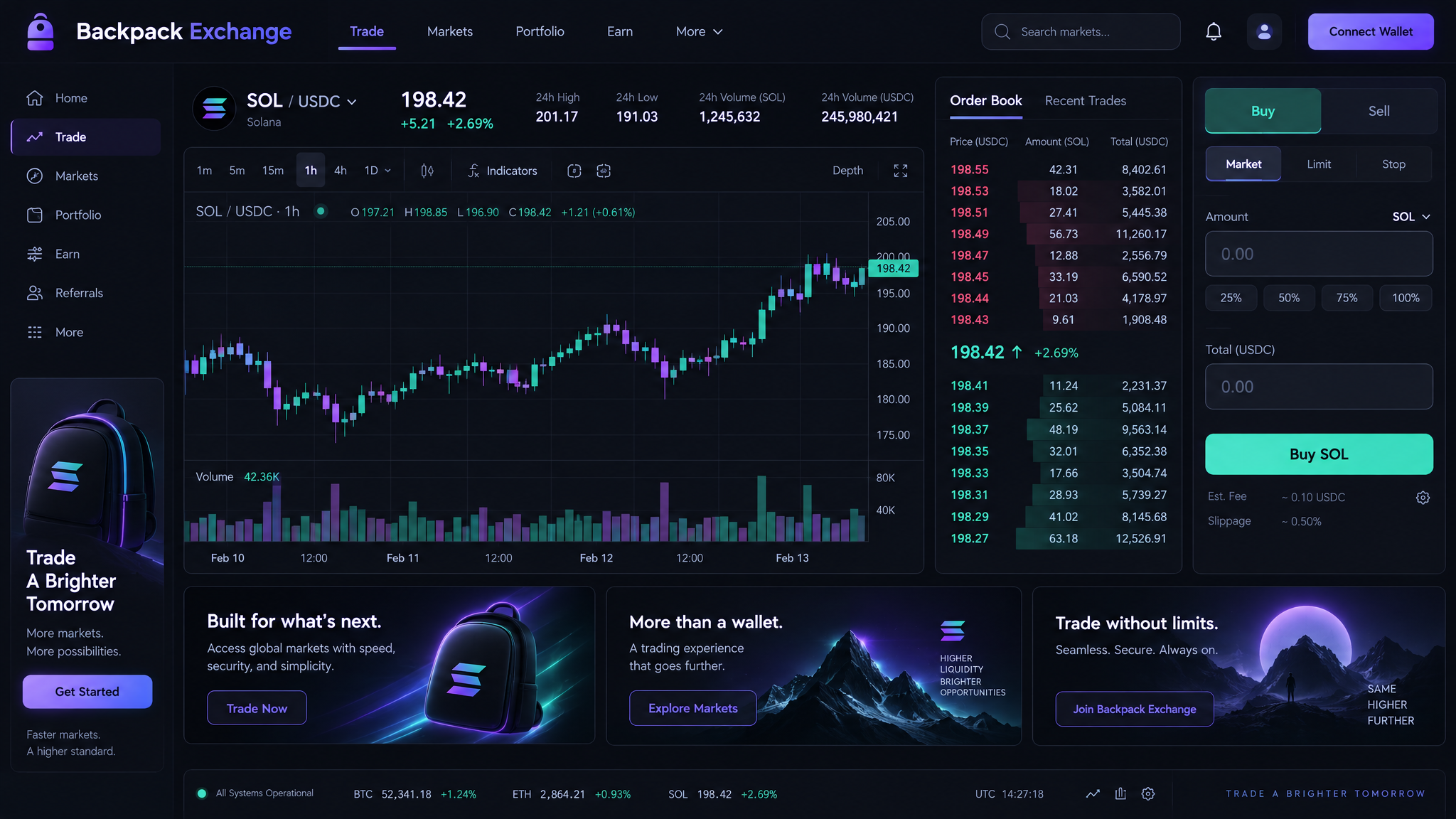
Backpack Exchange has quietly become one of the most talked-about crypto trading platforms of 2026 — and for good reason. Built by former FTX and Alameda Research engineers who helped expose the fraud, Backpack combines a centralized exchange with a self-custodial wallet in a way that few platforms have managed to pull off. If you're tired of choosing between the convenience of a CEX and the security of holding your own keys, Backpack might be exactly what you've been looking for.
In this review, I'll break down Backpack's fees, features, security model, and who it's actually best suited for. Spoiler: it's not for everyone — but for the right trader, it's genuinely impressive.
What Is Backpack Exchange?
Founded in 2022 and headquartered in Singapore (with regulatory operations in Dubai), Backpack is a hybrid crypto platform that merges a high-performance centralized exchange with a non-custodial multi-chain wallet. The exchange supports spot trading and perpetual futures with up to 50x leverage, while the wallet handles everything from Solana NFTs to cross-chain swaps.
The founding team's FTX background is worth addressing head-on. Several Backpack founders were among those who flagged irregularities at FTX before its collapse. Rather than a red flag, many in the crypto community view this as a credibility marker — these are people who understand exactly how exchange fraud happens and have built Backpack's architecture specifically to prevent it.
The platform's signature feature is daily zero-knowledge Proof of Reserves, verified by cybersecurity firm OtterSec. You can cryptographically verify that your funds exist on the platform at any time. That's not something Binance or Coinbase offers.
Backpack Exchange Fees: How Do They Stack Up?
Fees are where Backpack genuinely shines. The platform uses a standard maker-taker model, but the rates are competitive even against the biggest names in the industry.
Spot Trading Fees
- Maker: 0.08% (some sources cite 0.085%)
- Taker: 0.10% (some sources cite 0.095%)
- USDT/USDC pair: 0% — completely free stablecoin swaps
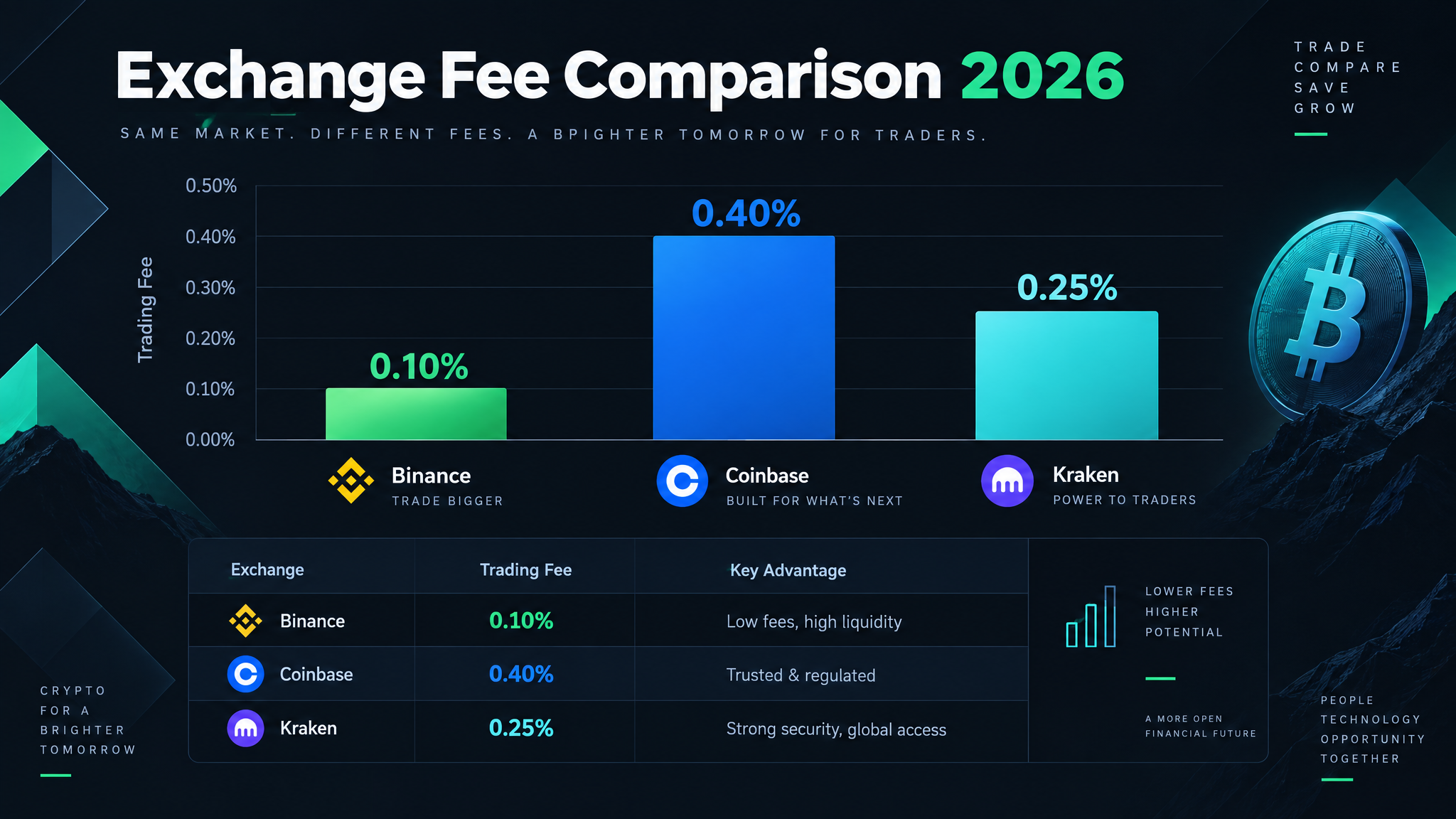
For context, Coinbase Advanced charges 0.40% for takers at lower volume tiers. Kraken sits around 0.25%. Backpack's 0.10% taker fee is closer to Binance territory, which is impressive for a platform of this size.
Perpetual Futures Fees
- Maker: 0.02%
- Taker: 0.05%–0.06%
These are genuinely low. Bybit and OKX charge 0.02%/0.055% for futures, so Backpack is right in that range. Active futures traders will notice the difference over time.
Wallet Fees
The Backpack wallet charges zero markup on swaps and bridges. You pay only the underlying network gas fees. This is a meaningful advantage over wallets like MetaMask, which adds a 0.875% swap fee on top of gas.
Key Features Worth Knowing
Unified Self-Custody + Exchange
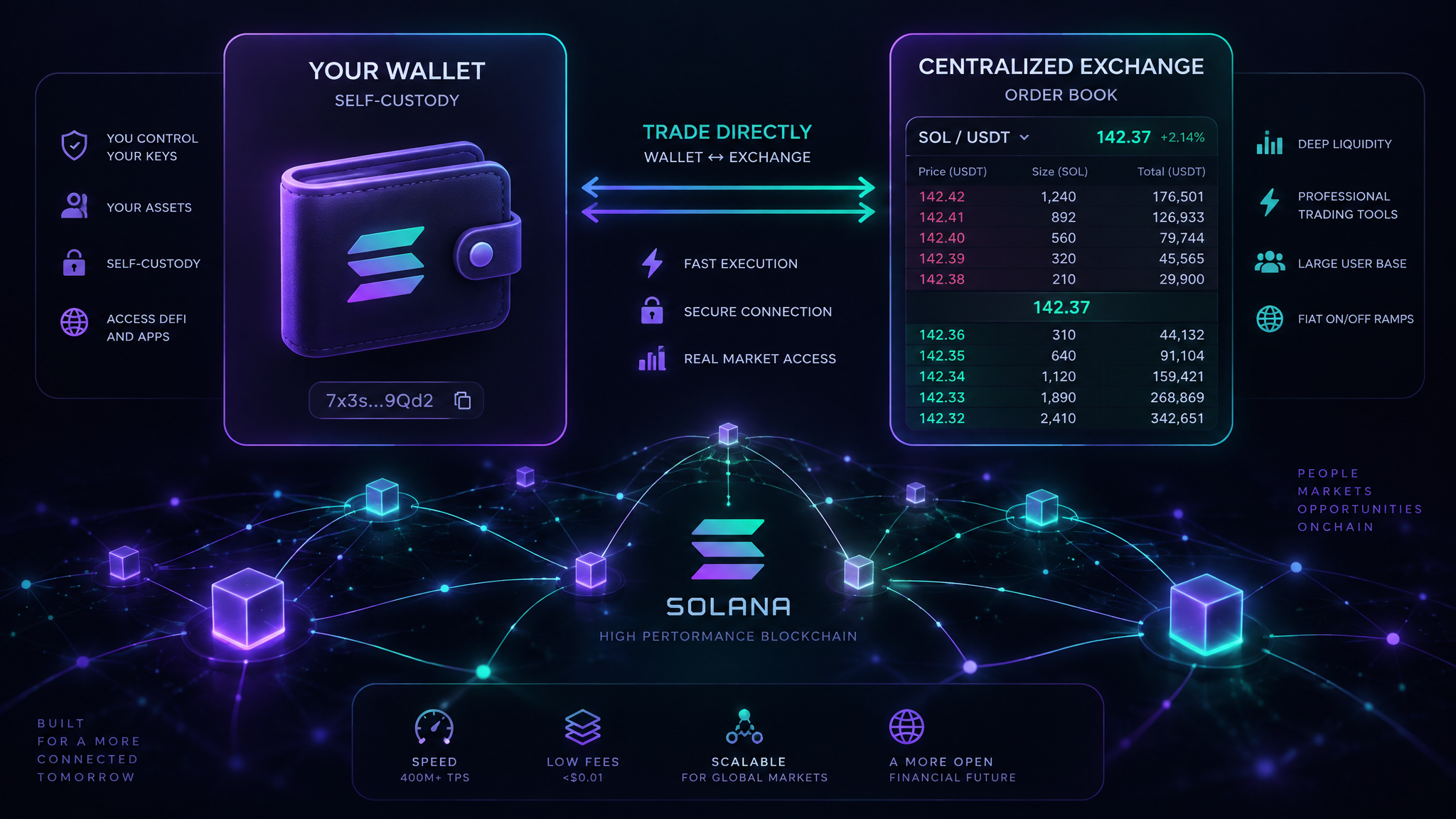
This is Backpack's core innovation. Most exchanges hold your funds in their custody — you trust them to keep it safe. Backpack lets you move assets between self-custody and the exchange order book seamlessly. You can trade on the CEX while keeping your long-term holdings in a wallet where only you control the private keys. It's a genuinely different model.
xNFT Ecosystem
Backpack introduced "executable NFTs" (xNFTs) — mini-applications that run inside the wallet. Think portfolio trackers, trading terminals, or DeFi dashboards that live natively in your wallet interface. It's a Solana-native concept that hasn't caught on broadly yet, but it's a glimpse at what Web3 UX could look like.
Cross-Margin Wallet
Your entire account balance acts as collateral across all positions. This capital efficiency matters for active traders who run multiple positions simultaneously — you're not locking up separate margin for each trade.
Solana Ecosystem Integration
Backpack is deeply integrated with Solana. Native SOL staking, Solana NFT management, and access to Solana DeFi protocols are all built into the wallet. If you're a Solana-heavy trader or collector, this is the most seamless experience available.
Security: The Transparency-First Model
Backpack has never been hacked. That's a meaningful statement in an industry where even major exchanges have suffered nine-figure losses.
The security architecture includes:
- Daily zk-Proof of Reserves verified by OtterSec — you can check anytime
- Cold storage for the majority of user funds
- MPC-based custody for institutional-grade key management
- Mandatory 2FA on all accounts
- Hardware wallet integration for additional security layers
The one caveat: Backpack does not offer deposit insurance or an investor protection fund. If something catastrophic happened, there's no FDIC-equivalent backstop. This is true of most crypto exchanges, but worth noting.
Serious about keeping your crypto safe regardless of which exchange you use? The Ledger Nano X keeps your private keys offline and safe — a smart complement to any exchange account.
Regulatory Status in 2026
Backpack holds a VASP license from Dubai's VARA (Virtual Assets Regulatory Authority). In 2026, it also secured a MiCA license in Latvia and a MiFID II license through its acquisition of FTX's European arm. That's a meaningful regulatory footprint for a platform of its age.
The catch for US traders: Backpack operates in approximately 11–19 US states and does not offer perpetual futures to US residents due to CFTC restrictions. If you're in New York or Texas, you may find access limited. Check the platform's current availability for your state before signing up.
Asset Selection: The Honest Limitation
Backpack supports roughly 50–70 cryptocurrencies. That's a fraction of what Binance (350+) or OKX (300+) offer. If you're hunting obscure altcoins or new token launches, Backpack isn't your platform.
What it does offer is depth on the assets it supports. Liquidity on major pairs like BTC/USDT, ETH/USDT, and SOL/USDT is solid, and the order book quality is competitive with larger exchanges for these pairs.
Who Should Use Backpack Exchange?
Backpack is a strong fit for:
- Solana-focused traders who want native ecosystem integration
- Security-conscious traders who value verifiable proof of reserves
- Active futures traders outside the US who want low fees and high leverage
- Web3 natives who want self-custody without sacrificing trading functionality
It's probably not the right fit for:
- US traders who need futures access
- Altcoin hunters who need 200+ token options
- Complete beginners who want extensive educational resources and hand-holding
- Anyone who needs fiat bank transfer deposits (limited support)
Backpack vs. Competitors: Quick Comparison
| Feature | Backpack | Coinbase | OKX |
|---|---|---|---|
| Spot Taker Fee | 0.10% | 0.40% | 0.10% |
| Futures Taker Fee | 0.05–0.06% | N/A | 0.05% |
| Proof of Reserves | Daily zk-PoR | Periodic | Monthly |
| Self-Custody Option | Yes (built-in) | Separate app | Separate app |
| Asset Count | ~50–70 | 250+ | 300+ |
| US Availability | Limited (11–19 states) | Full | Limited (no NY/TX) |
Getting Started on Backpack
Signing up is straightforward. You'll need to complete KYC verification (standard ID + selfie), which typically processes within a few hours. The interface is clean and modern — not as polished as Coinbase for absolute beginners, but intuitive enough for anyone with basic exchange experience.
The wallet setup is where Backpack differentiates itself. You'll generate a seed phrase during onboarding, giving you genuine self-custody from day one. Store that seed phrase offline — a Trezor hardware wallet is an excellent companion for securing your long-term holdings separately from your trading account.
Want to sharpen your trading skills before putting real capital to work? Icoinpro's comprehensive trading course covers the fundamentals of crypto trading strategy that apply across any exchange platform.
Verdict: Is Backpack Exchange Worth It in 2026?
Backpack Exchange earns a solid recommendation for the right user. The combination of low fees, daily proof of reserves, and genuine self-custody integration is genuinely differentiated. The Solana ecosystem support is best-in-class. And the founding team's transparency-first philosophy — born partly from witnessing FTX's collapse from the inside — gives the platform a credibility that newer exchanges often lack.
The limitations are real: limited asset selection, restricted US access for futures, and no deposit insurance. But for a Solana-focused trader or anyone who values verifiable security over convenience, Backpack is worth a serious look.
Key Takeaways
- Backpack combines a CEX with a self-custodial wallet — a genuinely unique model
- Spot fees of 0.10% and futures fees of 0.05–0.06% are highly competitive
- Daily zero-knowledge Proof of Reserves sets a transparency standard most exchanges don't match
- Best suited for Solana traders, security-conscious users, and active futures traders outside the US
- Limited to ~50–70 assets and restricted in some US states — not ideal for altcoin hunters
- No hack history since founding in 2022
Tools are only as good as the trader using them.
The best platform in the world won't help if your analysis is off. Before investing in more tools, consider investing in your trading education — it's the one thing that compounds everything else.
The program I recommend to people who ask me is this crypto trading course — it\'s the one I point friends and family to when they\'re serious about learning. Daily lessons, live analysis, and a community that actually helps.
Affiliate link — I may earn a commission at no extra cost to you. I only recommend what I genuinely use.
Disclaimer: The information provided on this website is for educational and informational purposes only. It should not be considered financial or investment advice. Cryptocurrency investments carry significant risk. Always do your own research and consult with a qualified financial advisor before making investment decisions.
Free Crypto Insights
Get weekly trading tips, market analysis, and exclusive strategies delivered to your inbox.