Coinbase vs Gemini 2026: Which US Crypto Exchange Is Right for You?
Affiliate Disclosure: This article may contain affiliate links. We may earn a commission at no extra cost to you. All opinions are our own.
Marcus Chen
Senior Crypto Analyst & Educator
Certified Blockchain Professional | Former Wall Street Analyst
Marcus Chen is a cryptocurrency analyst and educator with over 8 years of experience in digital asset trading. He has helped thousands of beginners navigate the crypto markets through practical, actionable education.

This article contains affiliate links. We may earn a commission at no extra cost to you if you make a purchase through these links. See our affiliate disclosure for details.
Coinbase vs Gemini 2026: Which US Crypto Exchange Is Right for You?
Choosing between Coinbase vs Gemini in 2026 is one of the most common dilemmas for US-based crypto investors — and for good reason. Both are fully regulated, both have survived multiple market cycles, and both cater specifically to American users navigating an increasingly complex regulatory landscape. But they're built for very different types of investors, and picking the wrong one can cost you real money in fees or leave you frustrated by missing features.
I've spent time on both platforms, and the differences are sharper than most comparison articles let on. Let's break it down properly.
Quick Verdict: Coinbase vs Gemini at a Glance
Before we get into the weeds, here's the short version:
- Coinbase wins for beginners, asset variety (260–350+ coins), and overall liquidity (~$2.18B daily volume).
- Gemini wins for active traders who want lower fees on the ActiveTrader platform, and for security-focused investors who want bank-grade compliance.
- Both are excellent choices for US investors. Neither has lost customer funds to a platform hack.
Now let's look at what actually matters when you're putting real money on the line.
Fee Structures: Where the Real Difference Lives
Fees are where Coinbase and Gemini diverge most noticeably — and where most casual comparisons get it wrong by only looking at the "simple buy" interface.
Coinbase Fees
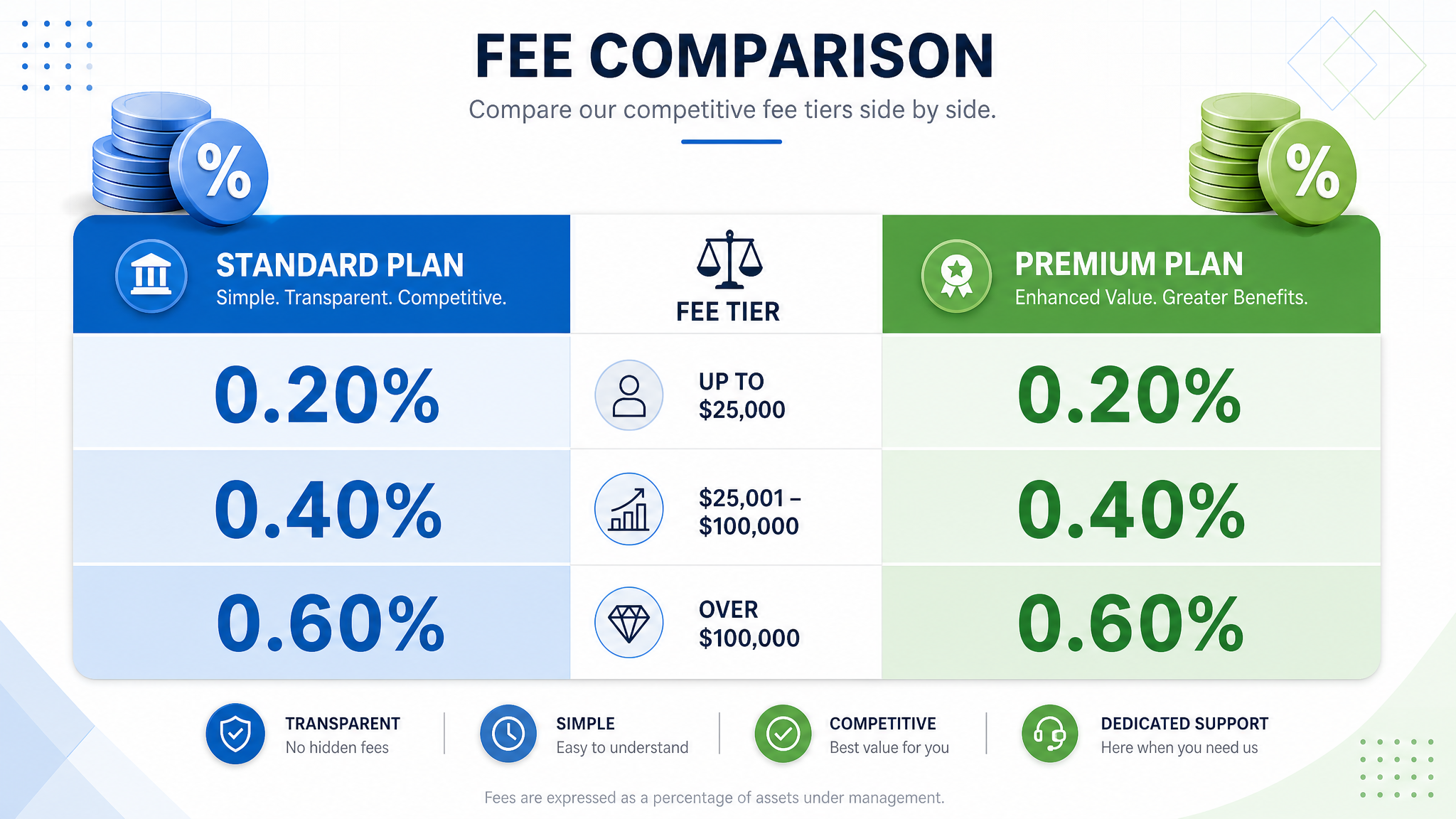
Coinbase's standard interface charges a spread plus a flat fee that can reach 3.99% for credit card purchases. That's brutal for anyone buying frequently. The smarter move is Coinbase Advanced Trade, which uses a maker-taker model:
- Maker fees: up to 0.40%
- Taker fees: up to 0.60%
- Fees drop as your 30-day volume increases
Wire withdrawals cost $25, which stings if you're moving money regularly.
Gemini Fees
Gemini's standard "convenience" interface is actually more expensive than Coinbase for small purchases. But switch to ActiveTrader and the math flips:
- Maker fees: 0.20%
- Taker fees: 0.40%
- Wire withdrawals: ~$10 (significantly cheaper than Coinbase)
For anyone trading more than a few hundred dollars at a time, Gemini's ActiveTrader is the cheaper option. The catch? You have to know it exists and actively use it — the default interface won't save you money.
Security and Regulatory Standing
This is where both exchanges genuinely shine — and where they differ in approach rather than quality.
Coinbase Security
Coinbase is a publicly traded company on NASDAQ (ticker: COIN), which means SEC-audited financial disclosures and a level of transparency most crypto companies can't match. Key security features:
- 98% of assets held in cold storage
- FDIC insurance up to $250,000 for USD balances held with banking partners
- No platform-wide hack in its history
- Regular proof-of-reserves reporting
The company has faced regulatory scrutiny — including an SEC lawsuit that was eventually settled — but its core security infrastructure has never been compromised.
Gemini Security
Gemini operates as a New York Trust Company, which is a higher regulatory bar than most crypto exchanges meet. It holds SOC 2 Type 1 and Type 2 certifications — the same standard used by major financial institutions. Highlights:
- Cold storage for the majority of customer assets
- SOC 2 Type 2 certified (independently audited security controls)
- Mandatory 2FA on all accounts
- Customer assets backed 1:1
One important context: Gemini's reputation took a hit from the 2022 "Gemini Earn" scandal, where its lending partner Genesis went bankrupt. The exchange itself was never hacked — customer funds on the exchange remained safe — but the incident underscored the risks of third-party yield products. Gemini has since discontinued Earn and doubled down on its core exchange security.
Bottom line on security: both are among the safest options for US investors. Gemini has the edge in formal regulatory certifications; Coinbase has the edge in transparency through public company disclosures.
Asset Selection: Coinbase Wins, But Does It Matter?
Coinbase supports 260–350+ cryptocurrencies. Gemini lists approximately 70–94 assets, focusing on established, vetted projects.
If you're primarily trading Bitcoin, Ethereum, and the top 20 coins by market cap, this difference is irrelevant — both platforms have everything you need. Where it matters:
- DeFi tokens and mid-caps: Coinbase lists many tokens that Gemini doesn't carry. If you want exposure to newer Layer 2 tokens, DeFi governance tokens, or emerging altcoins, Coinbase is the better fit.
- Established assets only: Gemini's curated approach means every listed asset has gone through stricter vetting. For investors who prefer quality over quantity, this is actually a feature, not a limitation.
One practical note: neither exchange is the right venue for hunting obscure micro-cap altcoins. For that, you'd need a DEX or a platform like OKX or MEXC. Coinbase and Gemini are both built for mainstream crypto investing.
User Experience: Beginner vs. Active Trader
Coinbase UX
Coinbase has spent years perfecting the onboarding experience. The mobile app is clean, the fiat onboarding is seamless, and the transition from "simple buy" to Advanced Trade is relatively smooth. Educational content is built into the platform. For someone buying their first Bitcoin or Ethereum, Coinbase removes almost all friction.
The downside: the simple interface actively hides the cheaper Advanced Trade option. New users who don't know to look for it end up paying significantly higher fees than necessary.
Gemini UX
Gemini's interface is polished but less intuitive for absolute beginners. The ActiveTrader platform is genuinely excellent for experienced traders — full order books, advanced charting, multiple order types. But the jump from the basic interface to ActiveTrader isn't as smooth as Coinbase's equivalent transition.
Some users report mobile app instability on Android, which is worth noting if you trade primarily from your phone.

Staking and Passive Income
Both platforms offer staking, but with different breadth and fee structures.
Coinbase staking: Supports 15+ assets including ETH, SOL, ADA, and others. Instant unstaking is available for a 1% fee. Broader selection makes it better for investors who want to stake multiple assets in one place.
Gemini staking: More curated — approximately 8+ assets. Fees are deducted directly from rewards (no separate fee structure). Simpler and more transparent, but fewer options.
Important context: Gemini's "Earn" program (which was a lending product, not staking) was discontinued after the Genesis bankruptcy. Current Gemini staking is a separate, on-chain product and is not affected by that history.
For investors who want to stake a variety of assets, Coinbase has the edge. For those who want simplicity and just need ETH or BTC staking, Gemini works fine.
Liquidity and Trading Volume
Coinbase has significantly higher liquidity — approximately $2.18 billion in daily trading volume versus Gemini's considerably lower figures. For most retail investors buying a few thousand dollars of crypto, this doesn't matter. But if you're executing larger trades (say, $50,000+), tighter spreads on Coinbase can save you meaningful money on execution.
Institutional traders and high-net-worth individuals often use Coinbase Prime or Gemini's institutional custody services — both have dedicated institutional products that go beyond the retail exchange.
Which Exchange Should You Choose?
Here's the honest breakdown:
Choose Coinbase if:
- You're new to crypto and want the smoothest onboarding experience
- You want access to a wide range of altcoins and DeFi tokens
- You need high liquidity for larger trades
- You want to stake multiple different assets
- You value the transparency of a publicly traded company
Choose Gemini if:
- You're an active trader who will use ActiveTrader and benefit from lower fees
- You prioritize bank-grade regulatory compliance and SOC 2 certification
- You prefer a curated, vetted asset selection over maximum variety
- You're moving larger amounts via wire transfer (lower withdrawal fees)
- You want institutional-grade custody features
There's also a third option many experienced investors use: both. Keep Coinbase for its broader asset selection and beginner-friendly interface, use Gemini's ActiveTrader for cost-efficient execution on your core positions. The two platforms complement each other well.
Actionable Takeaways
- Always use the advanced interface. On Coinbase, use Advanced Trade. On Gemini, use ActiveTrader. The default "simple buy" interfaces on both platforms charge significantly higher fees.
- Check asset availability before committing. If you want to trade specific altcoins, verify they're listed on your chosen platform before depositing funds.
- Staking rewards vary. Both platforms offer staking, but rates fluctuate with network conditions. Compare current rates before deciding where to stake.
- Security hygiene matters more than platform choice. Enable 2FA on both platforms. Use a hardware wallet for long-term storage of significant holdings.
Speaking of hardware wallets — regardless of which exchange you use, keeping large amounts on any exchange carries custodial risk. Protect your crypto assets with a Ledger hardware wallet — the gold standard in cold storage security.
If you're serious about building your crypto knowledge beyond just picking an exchange, Ready to master crypto trading? Check out Icoinpro's comprehensive trading course — it covers everything from reading charts to executing strategies that work in real market conditions.
And for a deeper understanding of the monetary principles behind Bitcoin and crypto, The Bitcoin Standard is essential reading for every serious crypto investor.
Disclaimer: This content is for informational purposes only and should not be considered financial advice. Cryptocurrency investments carry significant risk. Always do your own research (DYOR) before making any investment decisions.
Tools are only as good as the trader using them.
The best platform in the world won't help if your analysis is off. Before investing in more tools, consider investing in your trading education — it's the one thing that compounds everything else.
The program I recommend to people who ask me is this crypto trading course — it\'s the one I point friends and family to when they\'re serious about learning. Daily lessons, live analysis, and a community that actually helps.
Affiliate link — I may earn a commission at no extra cost to you. I only recommend what I genuinely use.
Disclaimer: The information provided on this website is for educational and informational purposes only. It should not be considered financial or investment advice. Cryptocurrency investments carry significant risk. Always do your own research and consult with a qualified financial advisor before making investment decisions.
Free Crypto Insights
Get weekly trading tips, market analysis, and exclusive strategies delivered to your inbox.