How to Start Investing in Crypto: A Complete Beginner's Guide for 2026
Affiliate Disclosure: This article may contain affiliate links. We may earn a commission at no extra cost to you. All opinions are our own.
Marcus Chen
Senior Crypto Analyst & Educator
Certified Blockchain Professional | Former Wall Street Analyst
Marcus Chen is a cryptocurrency analyst and educator with over 8 years of experience in digital asset trading. He has helped thousands of beginners navigate the crypto markets through practical, actionable education.

How to Start Investing in Crypto: A Complete Beginner's Guide for 2026

Learning how to start investing in crypto in 2026 is both easier and more important than ever. The regulatory landscape has matured — the GENIUS Act in the US and MiCA in Europe now provide clearer investor protections — and the tools available to beginners have never been more sophisticated. But the fundamentals haven't changed: start with what you can afford to lose, understand what you're buying, and build habits that survive bear markets.
This article contains affiliate links. We may earn a commission at no extra cost to you if you make a purchase through these links. See our affiliate disclosure for details.
Step 1: Get Your Financial Foundation Right
Before you buy a single satoshi, check these boxes:
- Pay off high-interest debt first. Credit card interest rates typically exceed any realistic crypto return. There's no point earning 15% on crypto while paying 24% APR on a balance.
- Build a 3–6 month emergency fund. Crypto markets can drop 50% in weeks. You need a cash cushion so you're never forced to sell at the worst time.
- Only invest what you can lose entirely. This isn't pessimism — it's the mindset that keeps you rational when markets get ugly.
Step 2: Choose a Regulated Exchange
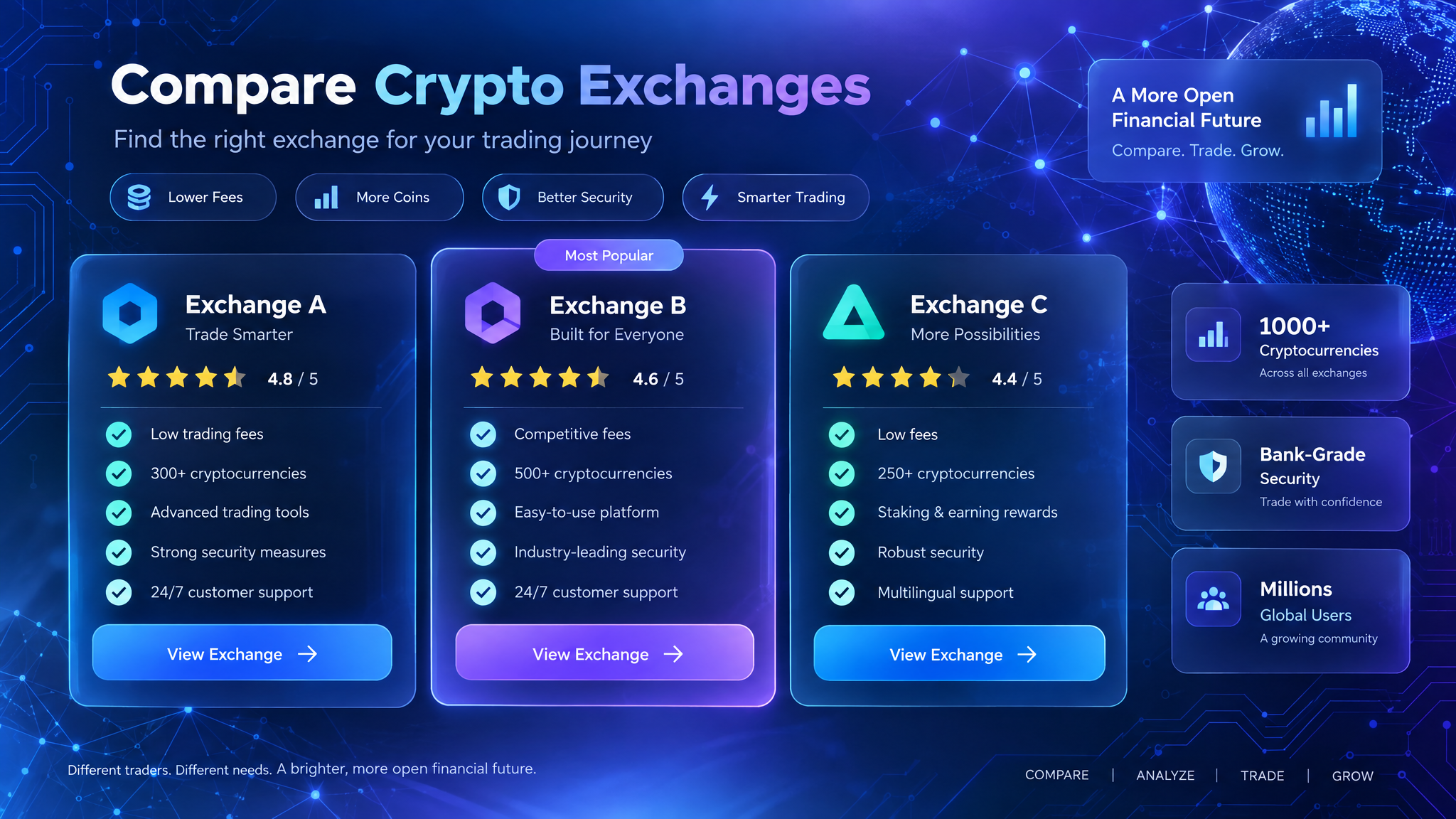
In 2026, the exchange landscape is cleaner than it was in 2021–2022. The collapse of FTX and subsequent regulatory crackdowns pushed out bad actors. Stick to platforms that comply with KYC/AML standards and are registered with relevant regulators (FinCEN in the US, FCA in the UK, etc.).
Top options for beginners include Coinbase (user-friendly, FDIC-insured USD balances), Kraken (strong security track record, good fee structure), and Gemini (regulated, SOC 2 certified). For a detailed breakdown, see our Best Crypto Portfolio Trackers in 2026 guide.
Step 3: Build a Simple Starting Portfolio
Simplicity is a strategic advantage when you're starting out. The standard beginner allocation in 2026:
- 60–70% Bitcoin (BTC): The market's defensive anchor. Bitcoin dominance sits at 59–60% in June 2026, reflecting institutional preference for liquidity and store-of-value properties.
- 20–30% Ethereum (ETH): The backbone of DeFi, NFTs, and smart contract infrastructure. Ethereum's staking yield (currently ~3.5–4% APY) adds a passive income dimension.
- 5–10% diversification: Once you're comfortable, small allocations to mid-cap projects in sectors like RWA tokenization, decentralized AI, or Layer-2 ecosystems can add upside — but only after you understand what you're buying.

Step 4: Use Dollar-Cost Averaging (DCA)
DCA is the single most effective strategy for beginners. Instead of trying to time the market, you invest a fixed amount at regular intervals — say, $100 every week or $400 every month. This approach:
- Removes emotional decision-making from the equation
- Automatically buys more when prices are low and less when they're high
- Builds a disciplined investing habit that compounds over time
Most major exchanges now offer automated DCA features. Set it up once and let it run. For a structured approach to learning crypto trading beyond DCA, Icoinpro offers step-by-step training that has helped thousands of beginners move from passive investing to active trading.
Step 5: Secure Your Assets
"Not your keys, not your coins" is the oldest rule in crypto — and it's still true. Exchanges can be hacked, go bankrupt, or freeze withdrawals. For any amount you're not actively trading, move it to cold storage.
Protect your crypto assets with a Ledger hardware wallet — the gold standard in cold storage security. For a step-by-step setup guide, see our article on How to Set Up a Crypto Hardware Wallet in 2026.
Basic security hygiene:
- Never share your seed phrase with anyone, ever
- Use an authenticator app (not SMS) for 2FA
- Send a small test transaction before moving large amounts to a new address
- Store your seed phrase offline, in multiple secure locations
The 2026 Regulatory Landscape: What Beginners Need to Know
The regulatory environment has shifted significantly. The GENIUS Act — passed in the US in 2026 — establishes a framework for stablecoin issuers and provides clearer guidance on which digital assets are securities vs. commodities. The CLARITY Act, currently moving through the Senate, aims to classify assets like XRP as digital commodities under CFTC jurisdiction.
What this means for beginners: the exchanges you use are more accountable, your assets have clearer legal status, and the overall ecosystem is more stable than it was during the 2021–2022 boom-bust cycle. Regulation isn't the enemy of crypto — it's what enables institutional capital to flow in at scale.

Common Beginner Mistakes to Avoid
- Chasing hype: Social media pumps coins that dump fast. Stick to your plan.
- Over-monitoring: Checking prices every hour increases stress without improving returns.
- Ignoring taxes: Crypto is taxable in most jurisdictions. Every trade is a taxable event. Use crypto tax software from day one.
- FOMO buying: The best time to buy is usually when everyone else is scared, not when they're euphoric.
- Skipping security: One phishing attack or exchange hack can wipe out years of gains.
Frequently Asked Questions
How much money do I need to start investing in crypto?
You can start with as little as $10–$25 on most major exchanges. The amount matters less than the habit. Starting small lets you learn the mechanics without significant financial risk.
Is crypto investing safe in 2026?
Safer than in previous years, thanks to improved regulation and exchange standards — but still high-risk. Crypto remains one of the most volatile asset classes. Never invest more than you can afford to lose entirely.
What's the best crypto to buy as a beginner in 2026?
Bitcoin (BTC) and Ethereum (ETH) are the standard starting point. They have the deepest liquidity, the longest track records, and the most institutional support. Avoid obscure altcoins until you understand the space well.
Do I need a hardware wallet as a beginner?
Not immediately — but once your holdings exceed $500–$1,000, moving to cold storage is strongly recommended. The cost of a hardware wallet ($70–$150) is trivial compared to the risk of an exchange hack or bankruptcy.
How does DCA work in practice?
Set up a recurring buy on your exchange — for example, $100 of Bitcoin every Monday. The exchange automatically executes the purchase regardless of price. Over time, your average cost per coin smooths out, reducing the impact of any single bad entry point.
Key Takeaways
- Build your financial foundation before investing: clear high-interest debt, establish an emergency fund.
- Use regulated exchanges with KYC/AML compliance.
- Start with a simple BTC/ETH portfolio and use DCA to build positions over time.
- Move significant holdings to cold storage — hardware wallets are non-negotiable for serious investors.
- The 2026 regulatory environment (GENIUS Act, CLARITY Act) provides more investor protection than any previous cycle.
- Avoid hype, over-monitoring, and FOMO — discipline beats timing every time.
Disclaimer: This content is for informational purposes only and should not be considered financial advice. Cryptocurrency investments carry significant risk. Always do your own research (DYOR) before making any investment decisions.
Frequently Asked Questions (September 2026 Update)
Should beginners buy crypto directly or through an ETF in 2026?
Both approaches are valid, and the right choice depends on your goals. Buying crypto directly (on exchanges like Coinbase or Kraken) gives you actual ownership of the asset — you can move it to a hardware wallet, use it in DeFi, or transfer it peer-to-peer. Crypto ETFs (like BlackRock's iShares Bitcoin Trust or Fidelity's Ethereum ETF) are held in standard brokerage accounts, require no seed phrase management, and are simpler for tax reporting. For pure price exposure with minimal complexity, ETFs are excellent for beginners. For full crypto functionality, direct ownership is necessary.
How much should a beginner invest in crypto in 2026?
A common guideline is to allocate no more than 5–10% of your investable portfolio to crypto — and only money you can afford to lose entirely. Before investing, ensure you have: (1) an emergency fund covering 3–6 months of expenses, (2) high-interest debt paid off, and (3) contributions to tax-advantaged retirement accounts maximized. Starting with $50–$200 to learn the mechanics before committing larger amounts is a sensible approach. Dollar-cost averaging — investing a fixed amount weekly or monthly — reduces the risk of buying at a peak.
Which crypto exchange is best for beginners in 2026?
Coinbase remains the most beginner-friendly US exchange, with a clean interface, strong regulatory compliance, and educational resources. Kraken is a solid alternative with competitive fees and excellent security. For mobile-first users, the Coinbase app and Kraken's mobile platform are both highly rated. Avoid exchanges with complex interfaces or those operating in regulatory gray areas until you're comfortable with the basics. Our Best Crypto Apps for Beginners 2026 guide covers the top options in detail.
Do I need a hardware wallet as a beginner?
Not immediately, but once your crypto holdings exceed $1,000–$2,000 in value, a hardware wallet becomes strongly advisable. Exchange hacks, while less common than in earlier years, still occur. A hardware wallet like the Ledger Nano X keeps your private keys offline, making remote theft essentially impossible. The learning curve is manageable — our Crypto Wallet Types guide walks through the setup process step by step.
How does crypto taxation work for beginners in 2026?
In the US, crypto is treated as property for tax purposes. Every time you sell, trade, or spend crypto, it's a taxable event — you owe capital gains tax on any profit. Short-term gains (assets held less than one year) are taxed as ordinary income; long-term gains (held over one year) qualify for lower rates of 0%, 15%, or 20% depending on your income. Keep records of every transaction from day one. Most major exchanges provide tax reports, and dedicated crypto tax software (like Koinly or CoinTracker) can automate the process significantly.
Ready to take the next step? Check out our Best Crypto Apps for Beginners in 2026 and our guide on Crypto Wallet Types Explained to continue your learning journey.
For a structured approach to learning crypto trading, Icoinpro offers step-by-step training that has helped thousands of beginners build confidence in the markets.
Want structured training instead of piecing it together yourself?
Self-education works, but it's slow. The course that accelerated my learning the most gave me a daily framework — real market analysis, real setups, real accountability.
The program I recommend to people who ask me is this crypto trading course — it\'s the one I point friends and family to when they\'re serious about learning. Daily lessons, live analysis, and a community that actually helps.
Affiliate link — I may earn a commission at no extra cost to you. I only recommend what I genuinely use.
Disclaimer: The information provided on this website is for educational and informational purposes only. It should not be considered financial or investment advice. Cryptocurrency investments carry significant risk. Always do your own research and consult with a qualified financial advisor before making investment decisions.
Free Crypto Insights
Get weekly trading tips, market analysis, and exclusive strategies delivered to your inbox.