Bitcoin Volatility Futures (BVI): How to Trade the Crypto Fear Gauge
Affiliate Disclosure: This article may contain affiliate links. We may earn a commission at no extra cost to you. All opinions are our own.
Marcus Chen
Senior Crypto Analyst & Educator
Certified Blockchain Professional | Former Wall Street Analyst
Marcus Chen is a cryptocurrency analyst and educator with over 8 years of experience in digital asset trading. He has helped thousands of beginners navigate the crypto markets through practical, actionable education.
Disclaimer: This content is for informational purposes only and should not be considered financial advice. Cryptocurrency investments carry significant risk. Always do your own research (DYOR) before making any investment decisions.
This article contains affiliate links. We may earn a commission at no extra cost to you if you make a purchase through these links. See our affiliate disclosure for details.
Bitcoin Volatility Futures (BVI): How to Trade the Crypto Fear Gauge
Bitcoin volatility futures — specifically the CME Bitcoin Volatility Index (BVI) contracts launched on June 1, 2026 — have quietly become one of the most powerful tools in a professional crypto trader's arsenal. For years, the only way to trade Bitcoin's volatility was through complex options books or offshore perpetual contracts. That changed when CME Group brought a VIX-style instrument to the regulated crypto derivatives market. Now, whether you're hedging a $500K BTC position or expressing a view on how "stormy" the next 30 days will be, BVI futures give you a clean, regulated way to do it.
This guide breaks down how these contracts work, the four core strategies traders are using right now, and how to manage the risks of trading volatility as an asset class.
What Are Bitcoin Volatility Futures (BVI)?
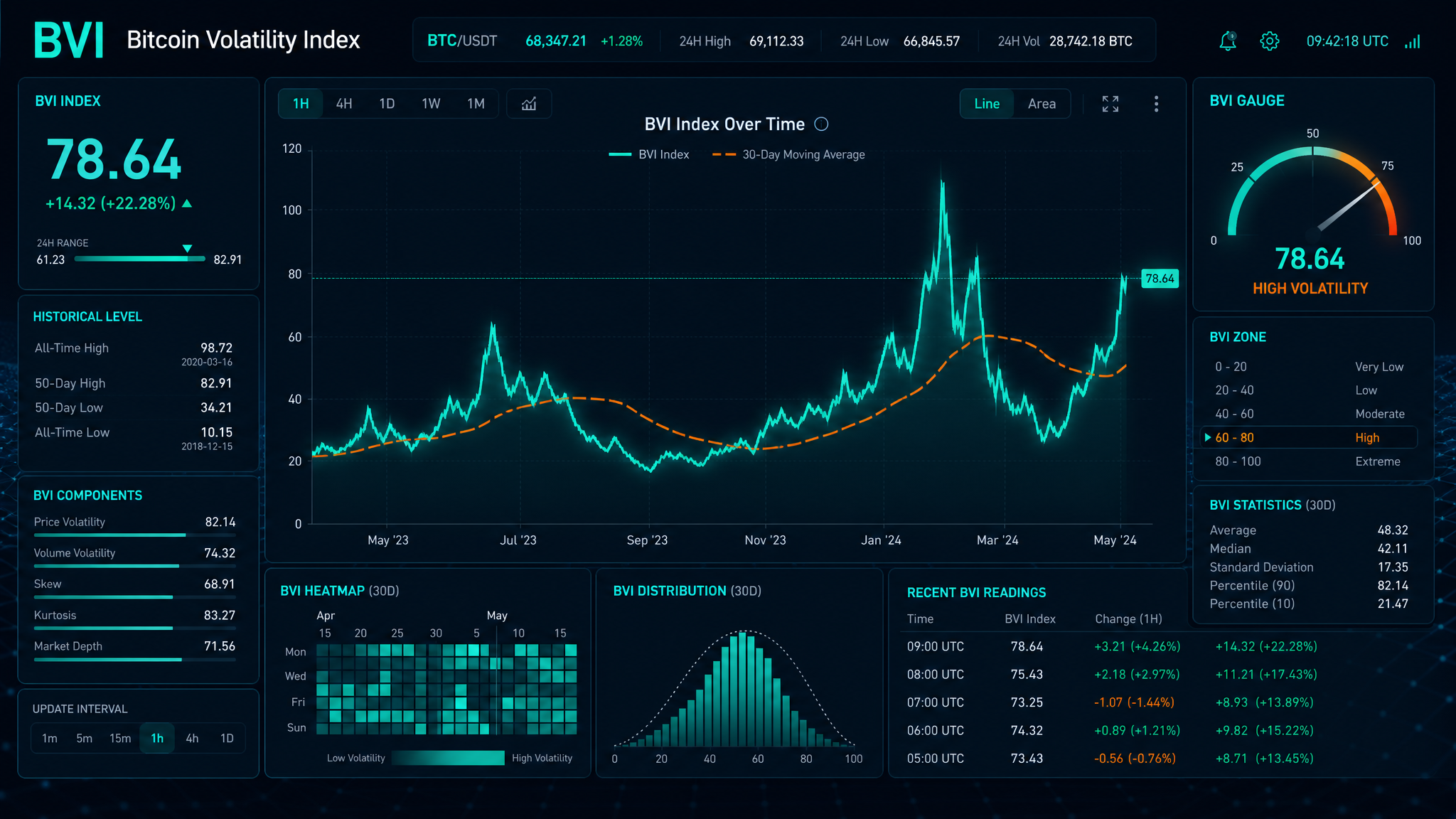
Think of BVI futures as the crypto equivalent of the VIX — Wall Street's famous "fear gauge." The VIX measures expected volatility in the S&P 500 over the next 30 days. BVI does the same thing for Bitcoin.
Each BVI contract is valued at $500 multiplied by the BVXS index level. So if BVXS is at 55 (representing 55% annualized implied volatility), one contract is worth $27,500. The contracts are USD-settled, CFTC-regulated, and trade on CME Globex — the same infrastructure institutional desks use for everything from crude oil to equity index futures.
What makes BVI genuinely different from standard Bitcoin futures is the underlying exposure. You're not betting on whether BTC goes up or down. You're betting on how much it moves. That's a fundamentally different risk profile, and it opens up strategies that simply weren't accessible to most traders before June 2026.
Early block trades between firms like DV Chain and Monarq Asset Management appeared in the first week — a signal that professional desks were already integrating BVI into their hedging workflows, not just experimenting.
How the BVXS Index Works
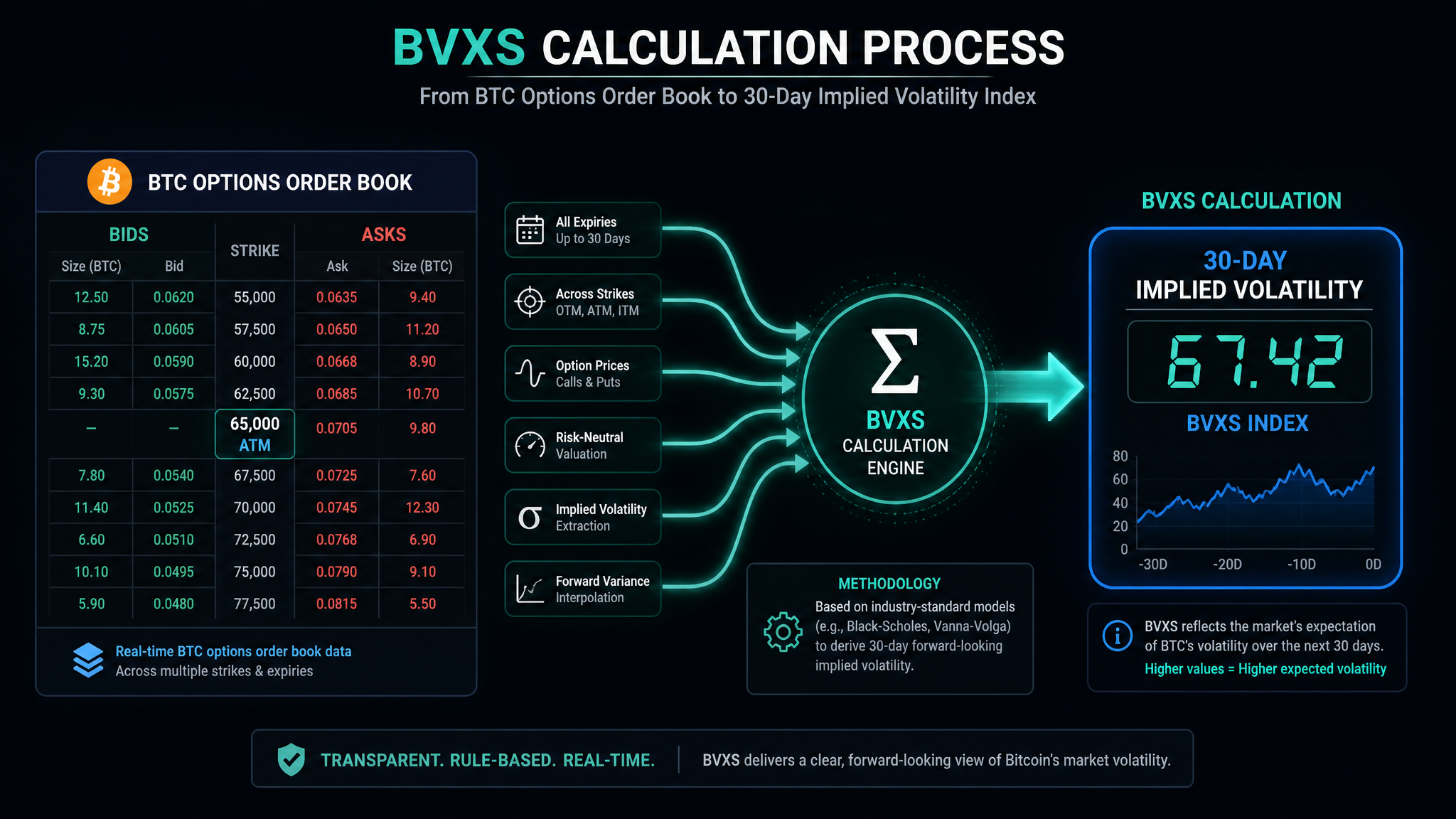
The BVXS (CME CF Bitcoin Volatility Index) is the benchmark that BVI futures settle to. Understanding how it's constructed matters because it directly affects how the futures price behaves.
BVXS is derived from the real-time order books of CME Bitcoin and Micro Bitcoin options — not from spot price data or OTC markets. It represents a constant-maturity 30-day implied volatility measure, updated every second during core trading hours (7 a.m. to 4 p.m. CT). The final settlement benchmark uses an average of six five-minute partitions to prevent manipulation or distortion from thin end-of-day order books.
Key things to know about BVXS behavior:
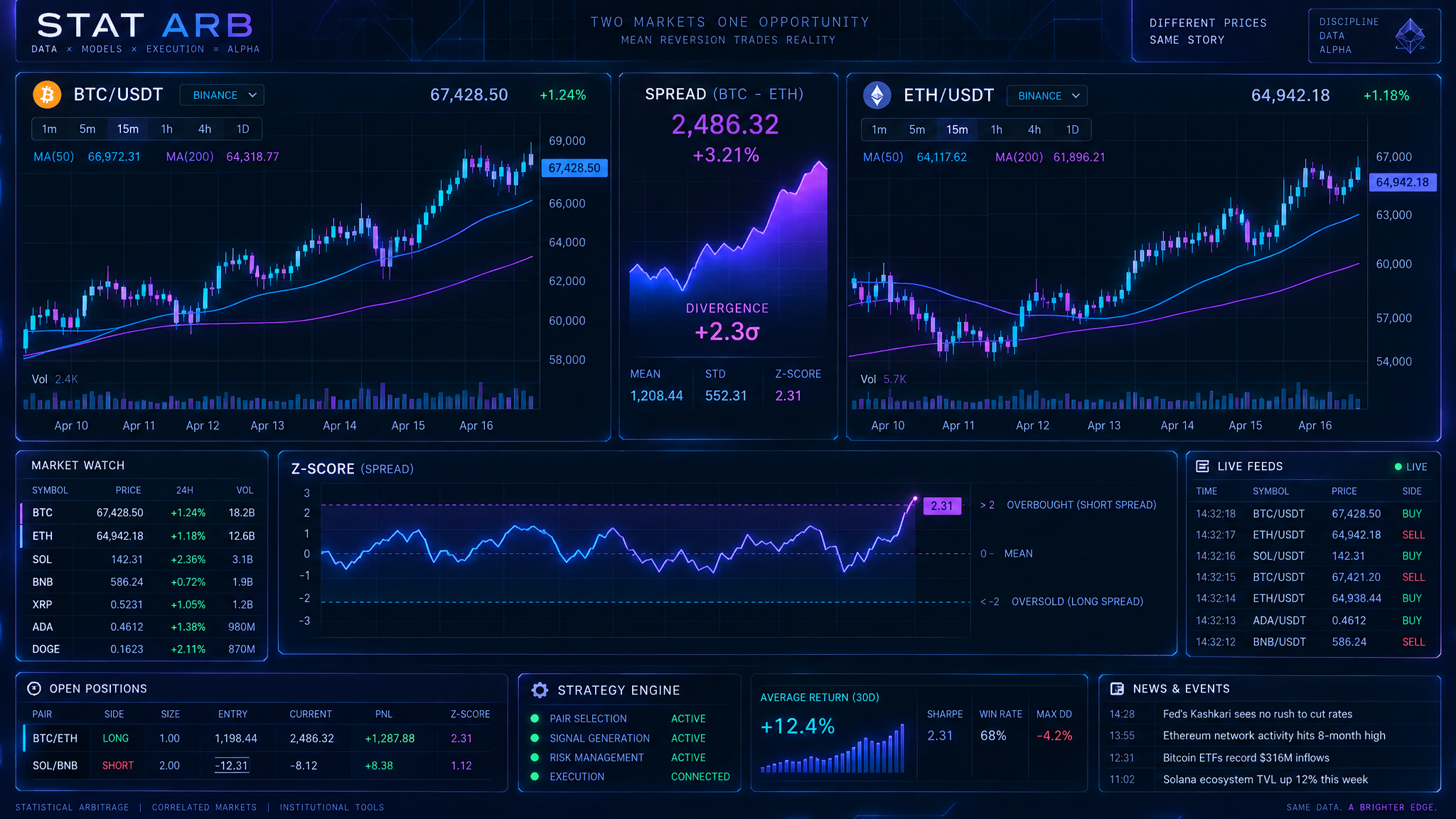
- Mean-reverting nature: Like the VIX, BVXS tends to spike during market stress and drift lower during calm periods. It doesn't trend indefinitely in one direction.
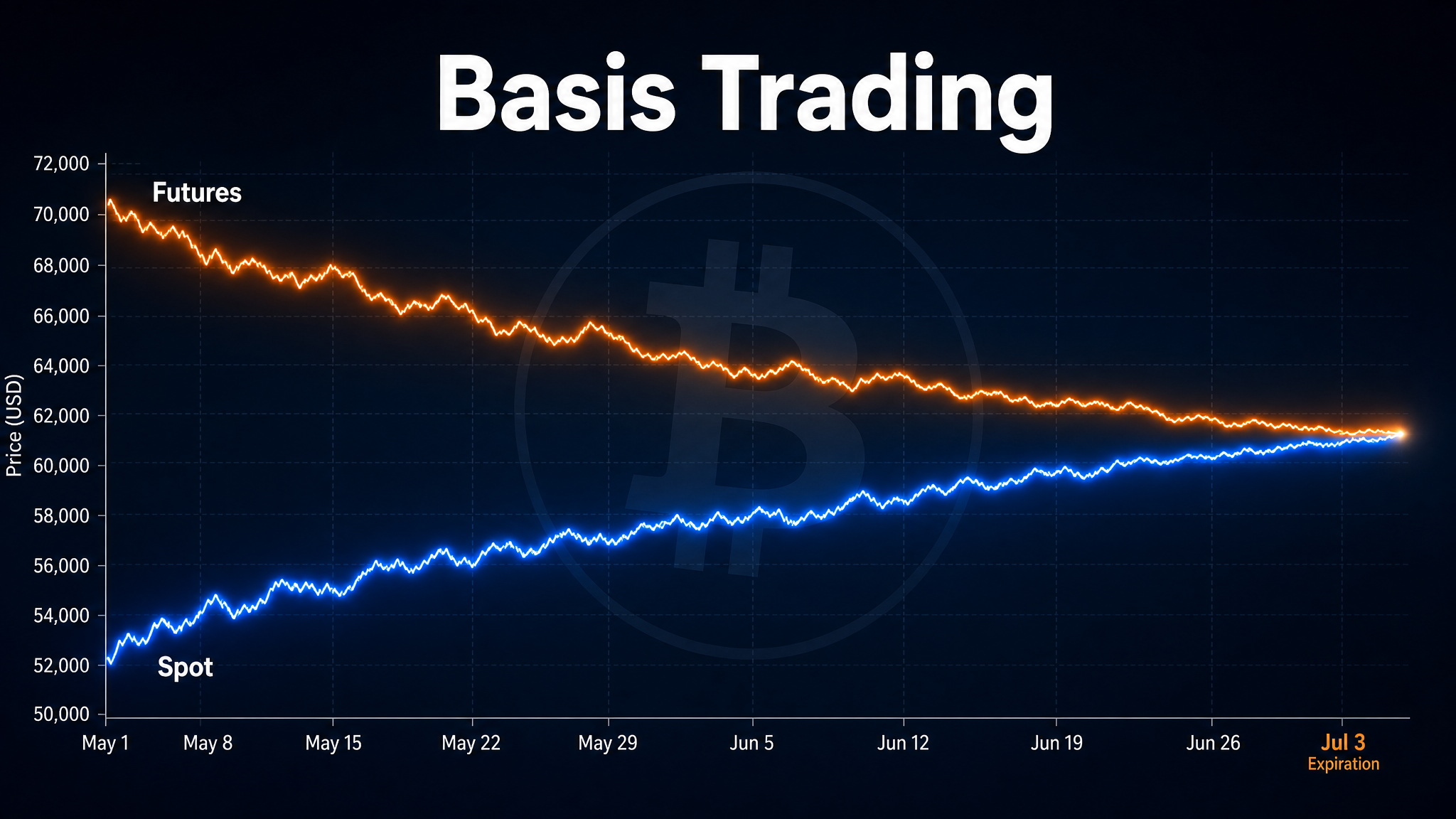
- Contango structure: BVI futures typically trade in contango — meaning longer-dated contracts price in higher expected volatility than near-term ones. This creates a natural headwind for long volatility positions held over time.
- Current levels: As of mid-August 2026, GARCH models from NYU Stern's V-Lab show a 1-month BTC volatility prediction around 47%, with Deribit ATM implied volatility ranging from ~30% for near-term expiries to over 42% for June 2027 contracts.
The term structure — whether the market is in contango or backwardation — is one of the most important signals for timing BVI trades. Backwardation (near-term vol higher than long-dated) often signals acute stress and can be a signal to fade volatility rather than chase it.
Four Core BVI Trading Strategies
1. Hedging Your Bitcoin Portfolio Against Volatility Spikes
This is the most straightforward use case. If you're holding a significant BTC position — say, 5 BTC worth roughly $500K at current prices — a sudden volatility spike can be brutal even if you're not forced to sell. Margin calls, psychological pressure, and forced liquidations on leveraged positions all become more likely when vol explodes.
A long BVI position acts as a hedge. When markets panic and BVXS spikes from 40 to 70, your BVI futures gain value, partially offsetting the stress on your portfolio. The key is sizing: you're not trying to fully hedge your BTC exposure (that would require a short futures position), you're buying insurance against the chaos that comes with extreme volatility.
Practical sizing: one BVI contract at BVXS = 50 costs $25,000. For a $500K BTC portfolio, two to three contracts provides meaningful vol coverage without excessive premium drag. Review and roll positions monthly to avoid contango erosion eating into your hedge.
2. Direction-Neutral Volatility Plays
Here's where BVI gets interesting for traders who are tired of guessing whether BTC goes up or down. You can take a pure view on volatility intensity without any directional exposure.
Long volatility (long BVI): You expect a major event — a Fed decision, a regulatory ruling, a geopolitical shock — to cause large price swings. You don't know which direction. Buy BVI futures. If BVXS jumps from 45 to 65, a single contract gains $10,000 in value.
Short volatility (short BVI): You believe the market is overpricing fear. Maybe BVXS is at 60 after a panic selloff, but you think the situation will resolve quickly and vol will compress back to 40. Short BVI futures. Each 20-point drop in BVXS earns $10,000 per contract. This is the "selling fear" trade — higher risk, but historically profitable in mean-reversion environments.
The critical discipline here: short volatility positions can blow up fast if you're wrong. Always define your maximum loss before entering. A hard stop at 1.5x your expected BVXS move is a reasonable starting point.
3. Event-Driven Positioning
BVI futures shine brightest around known catalysts. FOMC meetings, SEC enforcement actions, major protocol upgrades, quarterly options expiries — these are all events where the magnitude of the market reaction matters more than the direction.
The playbook: buy BVI futures 5-10 days before a major event when implied volatility is still relatively low. As the event approaches, vol typically rises (the "vol run-up" effect). You can either hold through the event for maximum payout if it's a surprise, or sell before the event to capture the vol run-up and avoid the post-event "vol crush."
The $10 billion quarterly options expiry in late June 2026 was a textbook example. Traders who positioned long BVI two weeks before the expiry captured a 15-20 point BVXS spike in the days leading up to settlement, then exited before the post-expiry vol crush that typically follows large options settlements.
Want to accelerate your trading journey? Explore Icoinpro's daily trading signals and education platform — they cover derivatives strategies including event-driven volatility plays.
4. Yield Enhancement with Delta-Neutral Overlays
This is the most sophisticated application, borrowed directly from institutional equity vol desks. The idea: combine a long BTC spot position with a short BVI futures overlay to generate yield from volatility premium decay.
Here's the logic. Implied volatility (what the market prices in) consistently runs higher than realized volatility (what actually happens) over time. This "volatility risk premium" is well-documented in equity markets and increasingly evident in crypto. By shorting BVI futures against a long BTC position, you're essentially selling that premium.
The delta-neutral part: your BTC spot position has positive delta (it gains when BTC rises). Your short BVI position has near-zero delta to BTC price direction — they're orthogonal. What you're harvesting is the spread between implied and realized vol.
Realistic returns: in low-to-moderate volatility environments, this overlay can add 8-15% annualized yield on top of your BTC holding. In high-vol environments, the short BVI position can lose money, but your BTC spot position typically benefits from the price action driving vol higher.
Protect your crypto assets with a Ledger hardware wallet — the gold standard in cold storage security — while you run active derivatives strategies on exchange.
BVI vs. Traditional Options: Which Should You Use?
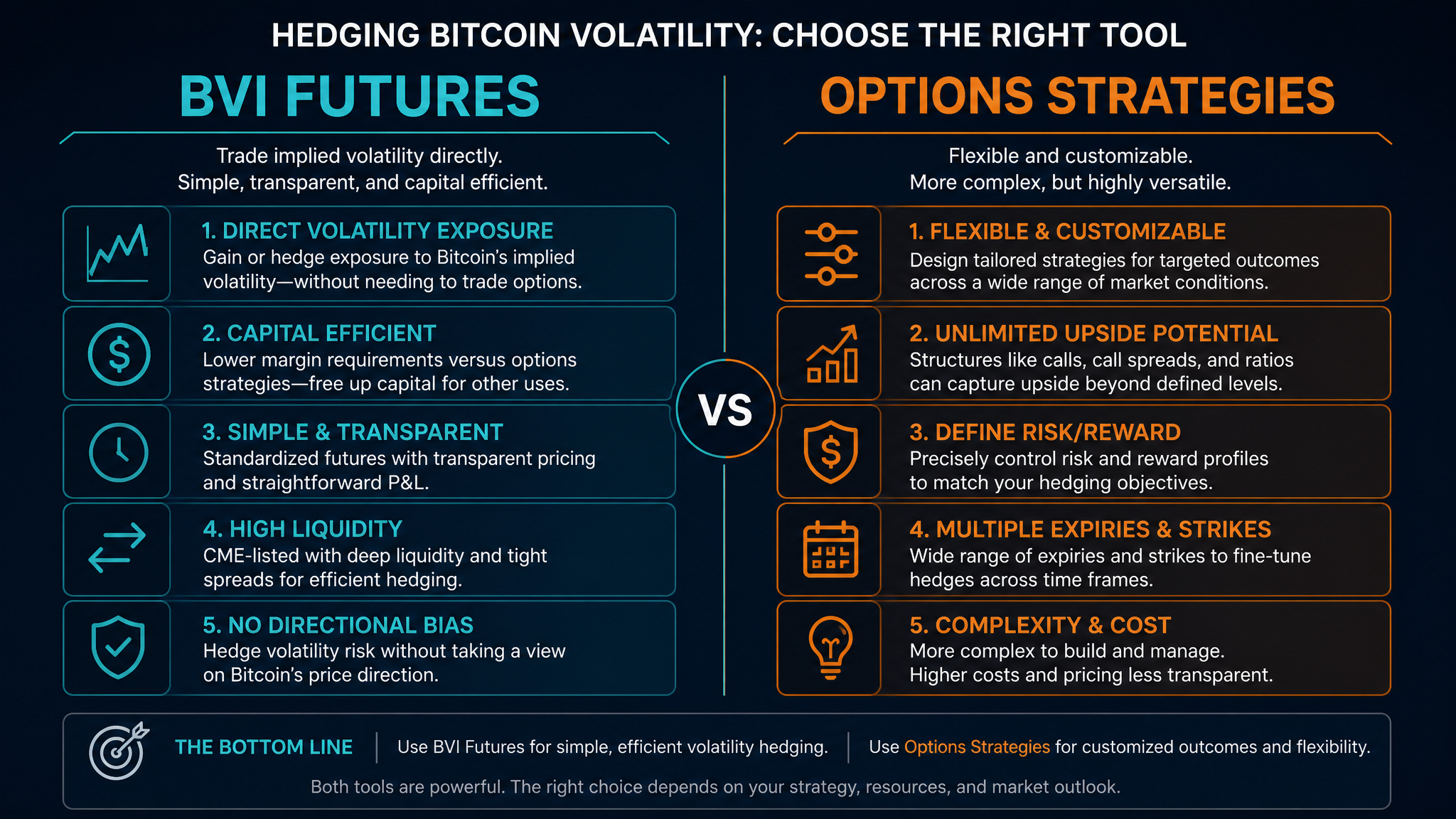
BVI futures and Bitcoin options both give you volatility exposure, but they work very differently. Knowing when to use each is half the battle.
BVI Futures advantages:
- Pure volatility exposure — no delta to manage, no gamma risk, no theta decay on the position itself
- Regulated CME infrastructure with transparent pricing and daily settlement
- Simpler to size and manage than a multi-leg options book
- No need to select strikes or expiries — BVXS is a single, standardized benchmark
Options advantages:
- More granular control — you can target specific strikes, expiries, and payoff profiles
- Defined risk on long positions (you can only lose the premium paid)
- Available on Deribit with much deeper liquidity for large notional trades
- Better for complex multi-leg strategies like iron condors, calendar spreads, or ratio spreads
The practical answer: use BVI futures for macro hedging and directional vol views. Use options when you need precision — specific strikes, defined payoffs, or complex spread structures.
Risk Management for Volatility Futures
Trading volatility futures carries risks that differ from standard directional trading. A few non-negotiables:
Contango drag: If you're consistently long BVI in a contango market, you'll pay a roll cost every month as you move from expiring contracts to the next month. This can erode 2-5% per month in calm markets. Long vol positions are best held for specific events, not as permanent portfolio overlays.
Vol-of-vol risk: Volatility itself is volatile. BVXS can move 20-30 points in a single day during extreme events. Position sizing must account for this. A common rule: never risk more than 2% of total portfolio on a single BVI position.
Correlation breakdown: The relationship between BVI and your BTC portfolio isn't fixed. During certain market regimes — particularly sharp, fast rallies — BTC can surge while vol stays flat or drops. Your hedge may not perform as expected.
Liquidity: BVI is still a relatively new product. Bid-ask spreads can widen during off-hours or low-activity periods. Use limit orders, not market orders, especially for larger positions.
For a structured approach to learning crypto trading, Icoinpro offers step-by-step training that covers risk management frameworks for derivatives trading.
How to Access BVI Futures
BVI futures trade on CME Globex and CME ClearPort. Access requires a futures-enabled brokerage account — not a standard crypto exchange account. Brokers like Interactive Brokers, TD Ameritrade (thinkorswim), and several prime brokers now offer CME crypto derivatives access.
Minimum capital requirements vary by broker, but expect to need at least $25,000-$50,000 in a futures account for reasonable position sizing. CME sets and updates margin requirements periodically.
For retail traders without CME access, Deribit options remain the most liquid alternative for volatility exposure. Platforms like Pandabull provide SVI-modeled vol surface analytics that give you BVXS-style insights even when trading options.
Key Takeaways
- BVI futures launched June 1, 2026 — the first regulated, VIX-style instrument for Bitcoin volatility, settling to the BVXS index at $500 per index point.
- Four core strategies: portfolio hedging, direction-neutral vol plays, event-driven positioning, and delta-neutral yield enhancement overlays.
- BVXS currently sits around 47% (1-month GARCH estimate) with near-term Deribit IV around 30% — a moderate vol environment that favors selective long vol positioning around upcoming catalysts.
- BVI vs. options: use BVI for macro vol hedging and simple directional vol views; use options for precision, defined-risk, and complex spread strategies.
- Risk management is non-negotiable: contango drag, vol-of-vol risk, and liquidity constraints all require active management. Never size BVI positions beyond 2% of total portfolio risk.
- Institutional-grade infrastructure now available to serious retail traders — but it demands institutional-grade discipline.
Ready to put these strategies into practice?
The trading concepts in this article work — but only if you have the right foundation. I learned most of what I know through structured training that connected the dots between theory and live markets.
The program I recommend to people who ask me is this crypto trading course — it\'s the one I point friends and family to when they\'re serious about learning. Daily lessons, live analysis, and a community that actually helps.
Affiliate link — I may earn a commission at no extra cost to you. I only recommend what I genuinely use.
Disclaimer: The information provided on this website is for educational and informational purposes only. It should not be considered financial or investment advice. Cryptocurrency investments carry significant risk. Always do your own research and consult with a qualified financial advisor before making investment decisions.
Free Crypto Insights
Get weekly trading tips, market analysis, and exclusive strategies delivered to your inbox.